
Table of Contents
- 1. The Anatomy of Groupthink and Targeted Cruelty
- 1.1. The Bystander Effect in Friend Groups
- 1.2. The Myth of “Just Joking”
- 2. The Agonizing Choice: Preserving the Peace vs. Self-Preservation
- 2.1. Recognizing the Sunk Cost Fallacy in Friendships
- 2.2. Choosing Powerful Self-Preservation
- 3. Practical Steps to Handle a Sudden Relationship Breakdown
- 3.1. 1. Prioritize Physical and Emotional Safety
- 3.2. 2. Establish Firm, Uncompromising Boundaries
- 3.3. 3. Keep What Matters to You
- 4. Cultivating a Healthy Circle Built on Mutual Respect
- 5. Frequently Asked Questions
- 5.1. AITA for dropping out of a wedding or major event at the last minute if I was mistreated?
- 5.2. How can I tell the difference between a bad joke and genuine toxicity?
- 5.3. Should I confront the entire friend group or just walk away?
- 5.4. How do I deal with the guilt of leaving a long-term friendship?
- 5.5. Can a friend group recover after a major boundary crossing?
Toxic Friendships: Recognizing the Signs and Knowing When to Walk Away
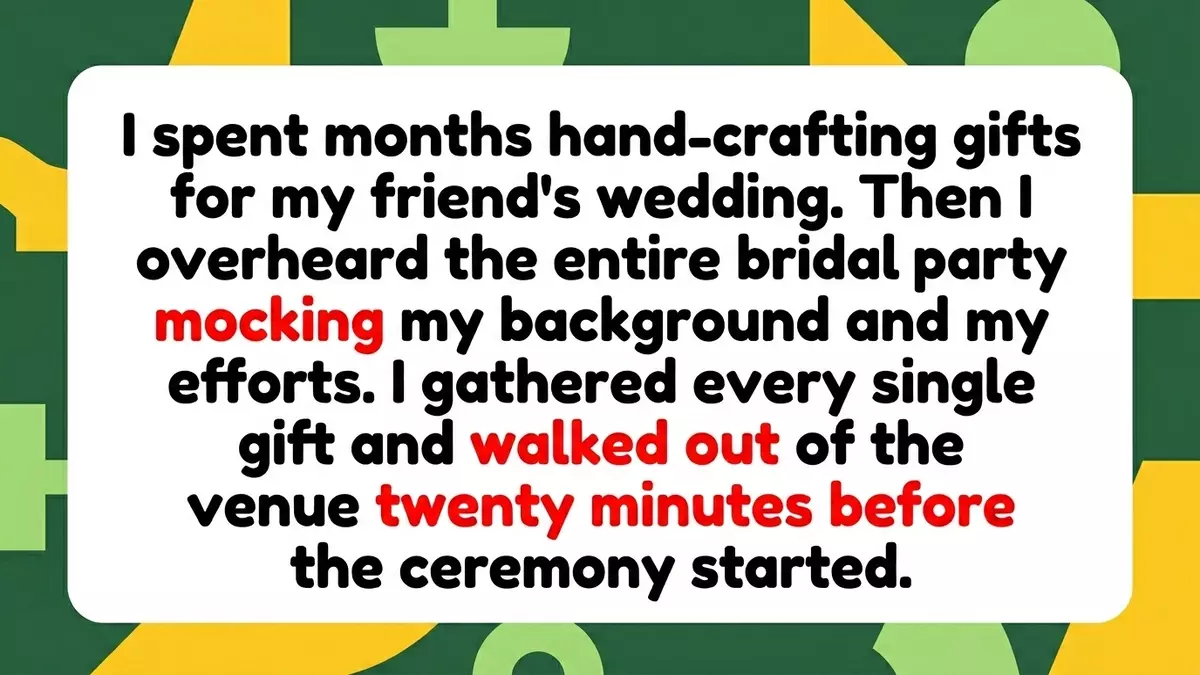
We all know that painful moment when people we have loved and trusted for years suddenly reveal a side of themselves we never saw coming. It often happens during high-stress group events—like planning a wedding, a major trip, or a holiday getaway—where intense group dynamics can cause casual ignorance to quickly spiral into blatant disrespect or targeted exclusion.
When a long-term friendship turns toxic, the emotional fallout is devastating. You are forced to reconcile the person you thought you knew with the hurtful actions standing right in front of you. Understanding how toxic group behavior escalates, and recognizing when walking away is the ultimate act of self-respect, is vital for protecting your peace of mind and personal dignity.

Toxic Friendships Recognizing the Signs and Knowing When to Walk Away
The Anatomy of Groupthink and Targeted Cruelty
To navigate the painful realization that a friend circle is no longer safe, it is essential to look at the psychological mechanics behind group behavior. True intimacy and long-term connection require a mutual level of respect, safety, and care. When those foundations crumble, it is often due to a dangerous psychological phenomenon known as groupthink.
The Bystander Effect in Friend Groups
In a toxic group dynamic, hostility rarely starts with everyone at once. Typically, one dominant individual instigates a cruel joke, a passive-aggressive comment, or an act of exclusion. The real tragedy occurs in what follows: the silence of the rest of the group.
[Hostile Instigator] ───> [Targeted Cruelty / Mockery]
                                 │
                                 ▼
                     [The Bystander Effect]
            (Friends stay silent or laugh along to blend in)
                                 │
                                 ▼
                     [Complete Group Isolation]
According to social psychologists, when individuals are part of a close-knit circle, they frequently succumb to the bystander effect. To avoid breaking the social harmony or turning the spotlight onto themselves, they will stand by in silence—or worse, laugh along. This collective compliance transforms casual ignorance into a hostile environment, leaving the targeted individual utterly isolated.
The Myth of “Just Joking”
The most common defense mechanism used by toxic friends is framing their cruelty as a joke. Phrases like “You’re being too sensitive” or “It was just a misunderstanding” are classic forms of psychological minimization.
When someone uses humor to mock your identity, your background, or your genuine efforts to share something meaningful with them, it is not a joke—it is a boundary violation. If expressing your discomfort results in further mockery or being labeled as dramatic, the group is actively prioritizing their comfort over your basic emotional safety.
The Agonizing Choice: Preserving the Peace vs. Self-Preservation
When a major relationship crossroad happens right before a milestone event—such as a wedding or a major celebration—the pressure to “endure it for the sake of the event” can be overwhelming. Facing an agonizing choice between keeping the peace or protecting your dignity is a profound emotional test.
Recognizing the Sunk Cost Fallacy in Friendships
Many people stay in harmful environments because of history. They think, “We’ve been friends since high school,” or “I’ve invested so much time and effort into this relationship.” In psychology, this is known as the sunk cost fallacy—the tendency to continue investing in a losing proposition because of what you have already put into it.
Key Takeaway: Human growth is rarely a straight line, and people change. The length of a friendship should never grant someone a permanent license to disrespect you. Walking away from lifelong connections is incredibly difficult, but protecting your mental well-being must always come first.
Choosing Powerful Self-Preservation
Choosing to remove yourself from a toxic dynamic, even days before a major event, is not an act of malice; it is a powerful act of self-preservation. It is a declaration that your emotional safety and personal values are non-negotiable. True alignment with yourself means refusing to compromise your identity or endure targeted hostility just to avoid making waves.
Practical Steps to Handle a Sudden Relationship Breakdown
If you find yourself trapped in a toxic group situation or a hostile social setting, navigating the immediate fallout requires clear boundaries and strategic emotional steps.
1. Prioritize Physical and Emotional Safety
If a vacation, a car ride, or a shared cabin getaway turns hostile, your immediate priority is creating space. If the environment feels unsafe or deeply disrespectful, arrange for your own transportation or leave the situation as quietly and swiftly as possible. You are under no obligation to sit through a captive interrogation or endure a toxic environment to prove a point.
2. Establish Firm, Uncompromising Boundaries
When you decide to cut ties or step back from a significant role in an upcoming event, state your decision clearly and concisely. You do not need to over-explain or engage in defensive arguments.
Clear Communication: “I no longer feel respected or comfortable in this group dynamic, so I am stepping down and removing myself from the event.”
3. Keep What Matters to You
If you contributed personal effort, hand-crafted items, or valuable tokens to a shared event that was ultimately mocked, keep them. Reclaiming your energy and your possessions is a tangible act of self-respect. Do not leave pieces of your heart or hard work with people who proved they do not value you.
Cultivating a Healthy Circle Built on Mutual Respect
Moving forward from a deep relational betrayal requires a shift toward radical self-worth. It involves realizing that your moral compass and boundaries are meant to protect you from people who refuse to see your true value.
Instead of trying to force a quiet conversation with individuals who have already shown their true colors through collective cruelty, focus your energy on healing. Surround yourself with a community that treats your identity, your traditions, and your emotional boundaries with unconditional empathy and respect.
Frequently Asked Questions
AITA for dropping out of a wedding or major event at the last minute if I was mistreated?
No. While dropping out of an event close to the date causes logistical stress, an individual’s right to emotional safety and respect always supersedes an event’s schedule. No one should be expected to stand by someone’s side on a big day when that person failed to stand up for them in a moment of cruelty.
How can I tell the difference between a bad joke and genuine toxicity?
A bad joke is followed by an immediate, sincere apology when the person realizes they caused hurt. Genuine toxicity is characterized by defensiveness, shifting the blame onto you for being “too sensitive,” or continuing the behavior behind your back. If the punchline relies on mocking who you are, it leans heavily toward toxicity.
Should I confront the entire friend group or just walk away?
In most cases involving groupthink, confronting the entire group at once results in defensive alignment against you. If there is one specific person you still trust, you can choose to have a private, one-on-one conversation. If the entire group participated or stood by silently, walking away without giving them an audience is often the healthiest choice.
How do I deal with the guilt of leaving a long-term friendship?
Acknowledge that it is completely normal to mourn the loss of who your friends used to be. Remind yourself that you are not walking away from the positive memories of the past; you are walking away from the harmful reality of the present. Guilt is a natural part of grief, but it does not mean you made the wrong choice.
Can a friend group recover after a major boundary crossing?
Recovery is only possible if every individual involved takes full, unconditional responsibility for their actions or their silence, without making excuses. If they offer real accountability and actively work to change their behavior over time, rebuilding trust is possible. However, if they minimize the incident, it is best to leave them in the past.