
Table of Contents
- 1. The Anatomy of an Extinction Burst and Domestic Isolation
- 1.1. The Escalation of Coercive Control
- 1.2. Understanding the Extinction Burst
- 2. The Power of Validation: Moving from Guilt to Clarity
- 2.1. The Illusion of Past Friendship
- 2.2. Overcoming the Sunk Cost Fallacy
- 3. Practical Strategies for Navigating a High-Risk Departure
- 3.1. 1. Utilize a Civil Standby (Police Escort)
- 3.2. 2. Secure Your Digital and Financial Footprint
- 3.3. 3. Implement an Absolute No-Contact Rule
- 4. Rebuilding Life After the Storm
- 5. Frequently Asked Questions
- 5.1. Is it an overreaction to call the police just to pick up my clothes?
- 5.2. What should I do if my ex demands a massive sum of money for “rent” or “insurance” after I leave?
- 5.3. How can I spot controlling behavior early when dating a long-time friend?
- 5.4. What resources are available if I don’t have friends or family nearby to help me leave?
- 5.5. Can a person genuinely change after displaying an extinction burst?
Coercive Control: Recognizing Relationship Red Flags and Safely Navigating an Abrupt Split
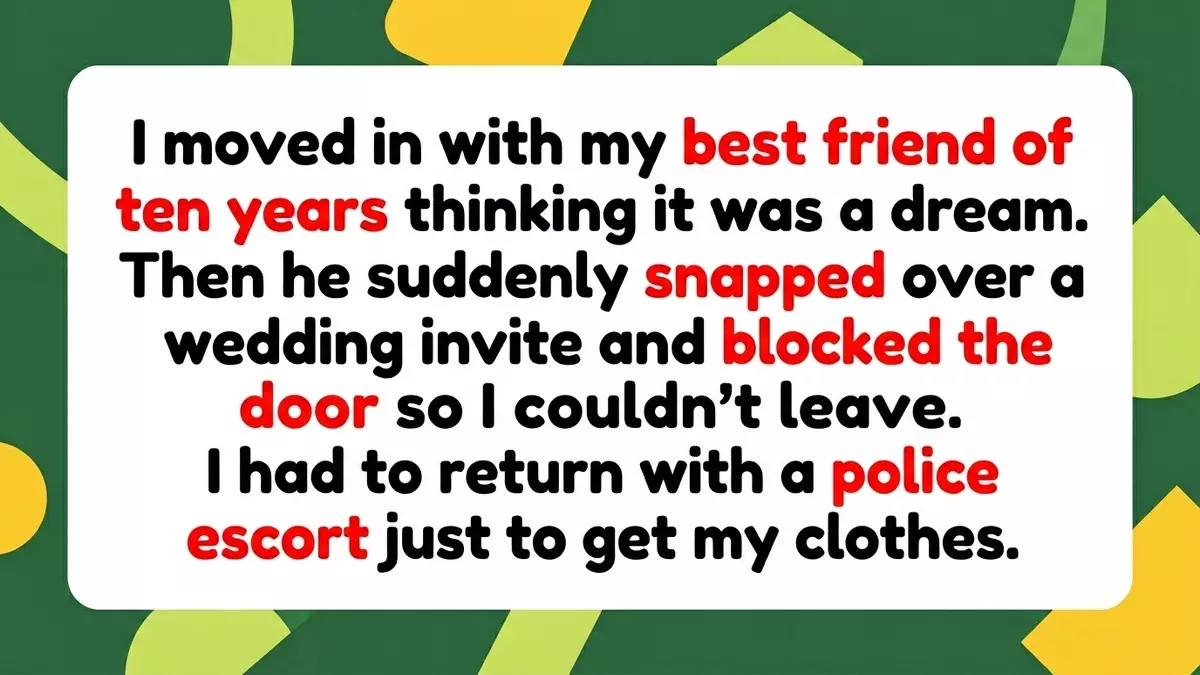
We all know that comforting feeling of moving in with someone we believe is a safe partner or a long-time friend. Entering a shared living arrangement is a major relationship milestone built on anticipation and trust. However, for some, the domestic dream can abruptly dissolve into a crisis when a minor domestic dispute exposes a partner’s volatile, hidden side.
What begins as a standard disagreement over scheduling, social etiquette, or a wedding invitation can quickly escalate into locked doors, terrifying physical intimidation, and legally baseless financial demands. When a person is forced to request a law enforcement escort just to safely retrieve their clothing and personal belongings, it highlights a dangerous, manipulative dynamic known as coercive control.

Coercive Control Recognizing Relationship Red Flags and Safely Navigating an Abrupt Split
The Anatomy of an Extinction Burst and Domestic Isolation
To understand how a seemingly normal relationship can rapidly become hazardous, it is essential to look at the psychological mechanics of abusive behavior during a breakup.

The Escalation of Coercive Control
Abuse rarely begins with overt hostility. In the early stages, control is frequently masked as intense affection or a desire to spend quality time together. Over time, this subtly morphs into monitoring daily routines, isolating the partner from their support network, and using physical stature to block exits or enforce compliance.
[Control Masked as Affection] ──► [Isolation & Monitoring] ──► [Physical Intimidation]
                                                                        │
                                                                        ▼
                                                             [The Extinction Burst]
                                                      (Erratic threats & compliance swings)
Understanding the Extinction Burst
When a controlling individual senses that their partner is completely disengaging and preparing to leave, their dominance is threatened. This often triggers a psychological phenomenon known as an extinction burst.
During an extinction burst, the individual’s erratic behavior escalates dramatically. They may oscillate wildly between extreme anger, physical blocking, threatening communication, and desperate pleas for reconciliation. Baseless financial demands—such as inventing random debts or demanding thousands of dollars for arbitrary “expenses”—are classic, desperate ploys to prolong contact and maintain psychological leverage over the departing partner.
The Power of Validation: Moving from Guilt to Clarity
One of the most insidious aspects of experiencing a partner’s sudden, volatile shift is the intense self-doubt it leaves behind. Victims often blame themselves, wondering if they missed critical relationship red flags or if they moved in together too quickly.
The Illusion of Past Friendship
Transitioning from a casual long-term friendship to a romantic partnership can easily create a false sense of security. We assume that because we have known someone for years in a social context, we understand how they operate behind closed doors. However, casual social interactions rarely expose how a person handles romantic vulnerability, conflict, or a loss of control.
Overcoming the Sunk Cost Fallacy
A critical step in reclaiming your life is recognizing that you are never at fault for a partner’s explosive or controlling reactions. Running background checks or discovering a partner’s hidden history after the fact is not a sign of failure; it is a vital act of self-preservation that validates your intuition.

Key Takeaway: True safety requires accepting the reality of who a person is right now, rather than clinging to the idealized version of who they were as a friend. Cutting all contact and refusing to engage in hollow scare tactics is the fastest way to strip an abuser of their perceived power.
Practical Strategies for Navigating a High-Risk Departure
If you find yourself in an unsafe living situation and need to extricate yourself from a volatile partner, prioritizing your physical safety through structured, strategic planning is paramount.
1. Utilize a Civil Standby (Police Escort)
Never attempt to retrieve your belongings alone if a partner has displayed physical intimidation, blocked exits, or made erratic threats. Contact your local law enforcement non-emergency line and request a civil standby. A police officer will accompany you to the residence, providing a neutral, protective presence that ensures you can pack your essential items safely without confrontation.
2. Secure Your Digital and Financial Footprint
When planning an abrupt departure, ensure your partner cannot track your movements or leverage your resources.
Change Passwords: Immediately update passwords for your email, bank accounts, and social media profiles.
Location Tracking: Disable location-sharing applications on your phone and check your vehicle for any shared tracking devices.
Document Everything: Archive all threatening text messages, erratic emails, or baseless financial demands. This documentation is crucial if you need to secure a formal restraining order.
3. Implement an Absolute No-Contact Rule
Once you are physically clear of the residence, cut all direct lines of communication. Do not respond to frantic text messages, legal bluffs, or emotional pleas. If the individual continues to send harassing emails or showing up at your workplace, have your legal counsel or law enforcement deliver a formal warning. Engaging in any capacity only feeds the extinction burst.
Rebuilding Life After the Storm
Moving on from an emotionally abusive or volatile environment takes time, self-compassion, and a dedicated support network. Surrounding yourself with trusted friends, family, and professional guidance allows you to process the trauma without second-guessing your decisions.
By standing firm in your boundaries, utilizing community resources, and recognizing that your safety is non-negotiable, you reclaim your personal agency. You turn a terrifying relationship crossroads into a powerful declaration of independence, proving that your peace of mind is worth protecting at all costs.
Frequently Asked Questions
Is it an overreaction to call the police just to pick up my clothes?
Absolutely not. If a partner has previously locked you out, blocked your exit, or displayed sudden bursts of extreme hostility, the risk of escalation during a move-out is incredibly high. A civil standby is a standard, highly recommended safety measure that keeps the peace and protects both parties.
What should I do if my ex demands a massive sum of money for “rent” or “insurance” after I leave?
If there is no legally binding, signed contract or lease agreement stating you owe that specific amount, these demands are generally hollow scare tactics used to maintain control. Do not send money out of fear. Document the demands and consult with a legal professional or a local advocacy group to handle any legitimate tenant obligations.
How can I spot controlling behavior early when dating a long-time friend?
Pay close attention to how they handle minor conflicts, boundaries, and your independence. Early red flags include excessive checking-in, subtle guilt trips when you spend time with other friends, an insistence on moving the relationship forward at an uncomfortably rapid pace, or an inability to accept a simple “no.”
What resources are available if I don’t have friends or family nearby to help me leave?
If you lack a local support network, you are not alone. You can reach out to the National Domestic Violence Hotline for confidential support, safety planning, and connections to local shelters or legal advocacy programs. They can help you coordinate a safe exit strategy.
Can a person genuinely change after displaying an extinction burst?
True change requires deep, long-term professional intervention, such as specialized counseling, and a genuine acknowledgment of harm without shifting blame. If a partner only promises to change or begs for forgiveness during the crisis of a breakup, it is typically part of the cycle of abuse, not a sign of real transformation.